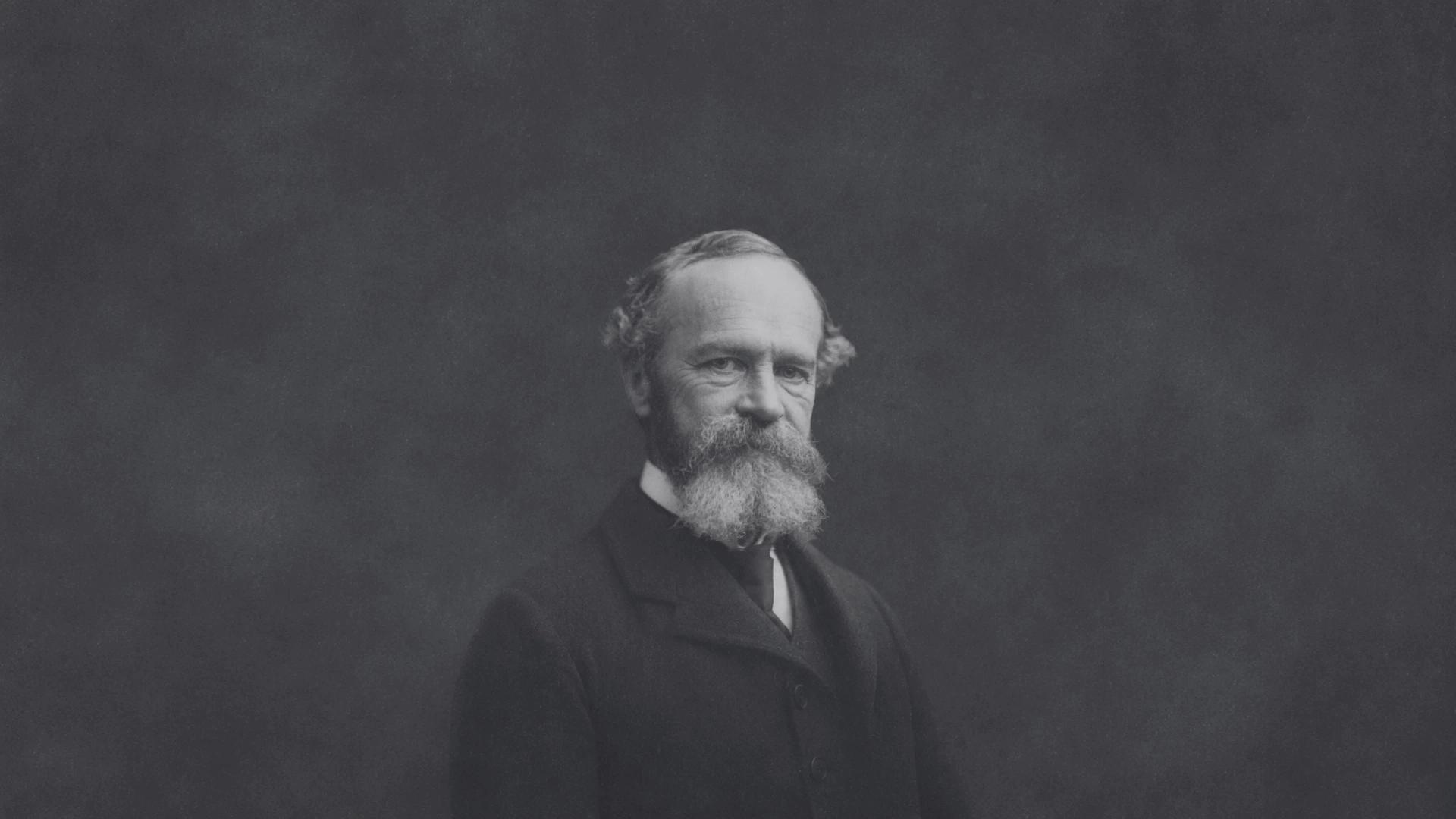
"My experience is what I agree to attend to."
William James
American philosopher and psychologist
- Date
Bring Your Whole Self to Life. Bring the Right Parts to Work.
posted in Built For Hard

Adam Kreek
I am a father, a friend, a coach, and a competitor. Those are all real parts of me. They do not all need equal airtime in every room.
The way I show up with a friend is different from the way I show up with my children. The competitive intensity that serves a race can overwhelm a conversation that needs patience. Adapting to that responsibility is part of becoming a more capable human.
Which is why I have a problem with a popular piece of leadership advice:
Bring your whole self to work.
You can bring your whole self to work and be an asshole. You can also arrive so determined to be professional that nobody can find a human being behind the job title. Both can feel authentic. Neither tells us whether you are leading well.
My invitation is more demanding: integrate your whole self, bring the right parts to work, and make room for your whole self across your life.
That distinction sits at the centre of Integrated Stewardship Theory, the framework I am developing as the foundation for my next book. It asks a practical question: when pressure reaches you, what happens next?
The useful intention inside an incomplete slogan
The whole-self movement speaks to something important. People want to belong without pretending they have no feelings, no family, no history, and no life beyond their job.
One prominent advocate, Mike Robbins, explicitly includes humility, self-awareness, self-management, and asking for help in his explanation of bringing your whole self to work. That is a more responsible argument than “say whatever you feel.”
I agree with that intention. I disagree with the slogan as a sufficient instruction for leadership. It leaves the hardest questions unanswered. Which part of you? At what intensity? With whom? For what purpose? Who carries the consequences?
Authority can amplify a small reaction. A passing remark from the leader can become someone else's instruction, worry, or urgent task. Your intention is only part of what the room receives.
Workplaces should make room for different identities, cultures, bodies, beliefs, and lived experiences. Nobody owes their employer a performance of sameness. Nobody owes the team access to their private pain, either.
The issue is how we take responsibility for what we express. “This is just who I am” does very little for the person who has to recover from how you treated them.
Pressure travels through people
Integrated Stewardship Theory is a framework for understanding how pressure activates different parts of a leader and moves through the roles, relationships, and systems they influence.
A deadline tightens. Your protective part wants control. A colleague challenges your judgment. Your competitive part wants to win. Someone is disappointed. Your pleasing part wants to make the discomfort disappear.
These are useful ways to notice patterns, rather than diagnoses or permanent identities. A part that helps in one situation can create trouble in another. Protection can become control. Care can become rescue. Confidence can become an inability to hear.
Integration means noticing those parts without handing any one of them the whole job. You can acknowledge your anger, fear, ambition, tenderness, and need for approval, then choose what the responsibility requires.
That remains a lifelong practice. You do not have to become a finished person before you can lead responsibly. You do have to keep noticing, choosing, learning, and repairing.
The central mechanism is permeable containment: the trained capacity to hold what must be held, let through what serves the moment, and channel or release what belongs in another context.
Containment holds pressure. Permeability allows movement.
Containment gives you enough room between feeling and action to exercise judgment. You can feel frustrated without making your frustration everybody else's emergency.
Permeability allows needed truth, emotion, information, help, and responsibility to move. It includes what you let in: disagreement, feedback, another person's experience, and the possibility that you are wrong.
In my earlier writing on stewardship, I focused on carrying pressure without leaking it downstream. That remains essential. The next step is to examine what happens when a leader holds too much back.
A leader who never loses their temper may still withhold the difficult truth. A leader who protects everyone may quietly prevent anyone else from taking ownership. A leader who always seems fine may become impossible to help.
This gives us three patterns to watch.
Under-contained: too much comes through, too quickly, too intensely, or in the wrong context. Anxiety becomes urgency. Frustration becomes blame. A private wound becomes a burden the team did not agree to carry.
Over-contained: too much is blocked, hidden, or personally carried. People cannot access the truth, warmth, dissent, decisions, or responsibility they need. The leader becomes rigid, absent, isolated, or indispensable.
Permeably contained: the leader can hold pressure and allow useful movement. They can express concern, ask for help, delegate, challenge, listen, and repair with care for timing and consequence.
These are patterns people move through. The same person can be sealed tight in one relationship and spill everywhere in another.
The standard is contextual fit. Your range as a leader matters. Sometimes the right response is firm and forceful. Sometimes it is quiet and receptive. A serious concern may require immediate escalation. A raw reaction may need a pause before it becomes a conversation.
Three ways this shows up in coaching
These brief examples come from my coaching work. Identifying details are omitted.
When executive pressure becomes control
One senior leader was caught between pressure from above and an exhausted team below. The pressure came through as control and pushing. Eventually, he raised his hand for help.
That moment matters. He could begin examining how he was carrying the pressure, instead of simply passing it on. His team still needed clarity and standards. They also needed a leader who could distinguish the work's real demands from his own activation.
Asking for help created an opening: he could start working with the pressure before transmitting it again.
When competence makes a leader indispensable
Another highly competent manager held every call, every customer, and every fire. Too much of the work depended on one person.
Clearer roles and support allowed the system to carry more of that work. The developmental move involved letting responsibility through: giving other people enough ownership and support to carry what belonged with them.
This is a form of over-containment that can look admirable. Commitment and competence keep the work moving, while the organization remains dependent on the leader. Greater personal endurance cannot solve a design that requires one person to hold everything.
When personal ease meets professional responsibility
A third leader wanted to stop performing an exhausting version of professionalism. He wanted room for humour and a lighter way of being, while taking the work seriously.
Our conversation explored the difference between letting those useful parts through and becoming careless about their impact. One practical behaviour was proactive communication: give the people who depend on your work relevant information before they have to chase it.
He had already sent one such update. During the call, he read back a reply expressing appreciation for the detail and positive feedback about his work.
One update did not change everything. It gave us something useful to build on: he could make room for more personal ease while giving others clearer information. Freedom and responsibility could develop together.
The room needs your judgment
Imagine you are worried about a project. A useful expression might sound like this:
“I am concerned about the deadline. Here is what we know, here is the risk, and here is the decision we need to make. What am I missing?”
You have let concern through. You have given it a shape the team can work with. You have also left room for information to come back.
Compare that with unloading every frustration about the project until people start managing your mood. Or saying nothing while the risk grows because a good leader is supposed to look composed.
Containment creates the capacity to stay with the difficulty. Permeability makes the difficulty discussable.
There is an ethical test here. “The right parts” cannot simply mean the parts a powerful person finds convenient. Stewardship serves people, performance, purpose, dignity, and the wider system, including your own health.
Sometimes the right part of you is the one willing to dissent, set a boundary, name harm, or leave. Context changes how you act. It does not excuse cruelty or require silence.
Give the rest of yourself somewhere to go
What you hold at work still needs attention. Containment becomes suppression when you deny what is happening and provide no place to process it.
Your whole life can hold more of you than any single role or relationship can. Reflection, movement, friendship, family, creative work, coaching, and professional support can each provide different forms of connection and processing.
That requires willing people, suitable relationships, and care for timing and proportion. Your partner is not the disposal site for pressure you managed to contain all day. Your children should not have to absorb what you could not say to your boss.
Bring your whole self to life by building places where different parts can be acknowledged, understood, developed, and expressed responsibly. Some impulses need to be understood and redirected; they do not need to be acted out.
Build support into the work as well. Clear decision rights, realistic priorities, useful meetings, honest escalation, and recovery make stewardship more possible. A leader should not have to personally contain everything the system refuses to structure.
A practice for your next difficult conversation
Before you enter, take a minute with five questions:
- What am I carrying? Name the pressure and the part of you that wants to take charge.
- What does this responsibility need? Consider the people, the work, the truth, and the consequences.
- What must I hold, and what needs to move? Choose what to say, hear, challenge, share, or delegate.
- Where will the rest go? Identify an appropriate place to process what does not belong in this conversation.
- What needs repair? If you have already spilled pressure or withheld something important, own the effect and make the next move clear.
Then try one observable change. Name the concern earlier. Ask for help. Let someone else own the decision. Pause before answering. Say the difficult thing with enough care that it can be heard.
Practise becoming more integrated. Bring the parts of yourself that serve the responsibility in front of you. Build a life with room for the rest.
Hold pressure. Let the right parts through. Do hard things. Stay human.
Build your capacity to lead under pressure
If you recognize yourself in these patterns, executive coaching with ViDA offers a place to examine what you carry, practise a different response, and build the support your work requires.
Adam Kreek is an executive business coach, Olympic gold medallist and author of The Responsibility Ethic.
Portrait adapted from Notman Studios, 1903; MS Am 1092 (1185), Houghton Library, Harvard University. Public domain; photographic background extended and colour-treated. Quote: William James, The Principles of Psychology (1890), vol. I, chapter XI, p. 402.
